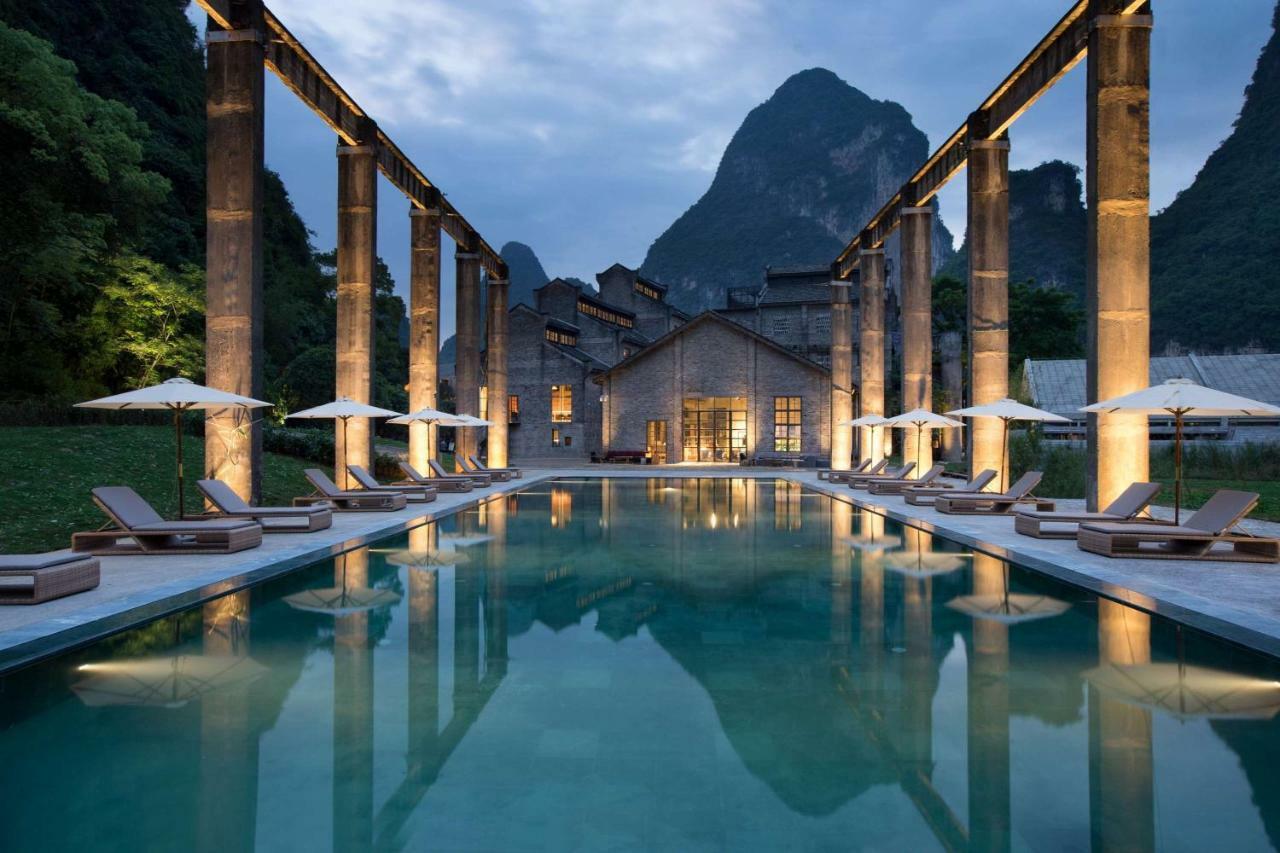
Photo: Alila Resorts · Yangshuo Sugar House
Guangxi province is the beating heart of China’s sugar industry — responsible for more than 60% of the country’s total sugar output. The old Yangshuo Sugar Mill, tucked along the banks of the Li River in Guilin, was once just another unremarkable facility in that vast cane-growing belt.
When a sugar factory shuts down, the story usually ends the same way: demolition. Rusted equipment gets scrapped, smokestacks come down, and the land moves on. But the Yangshuo County Sugar Mill, built in the 1960s, refused that fate. It took a different road entirely — one that anyone in the sugar trade would do well to pay attention to.
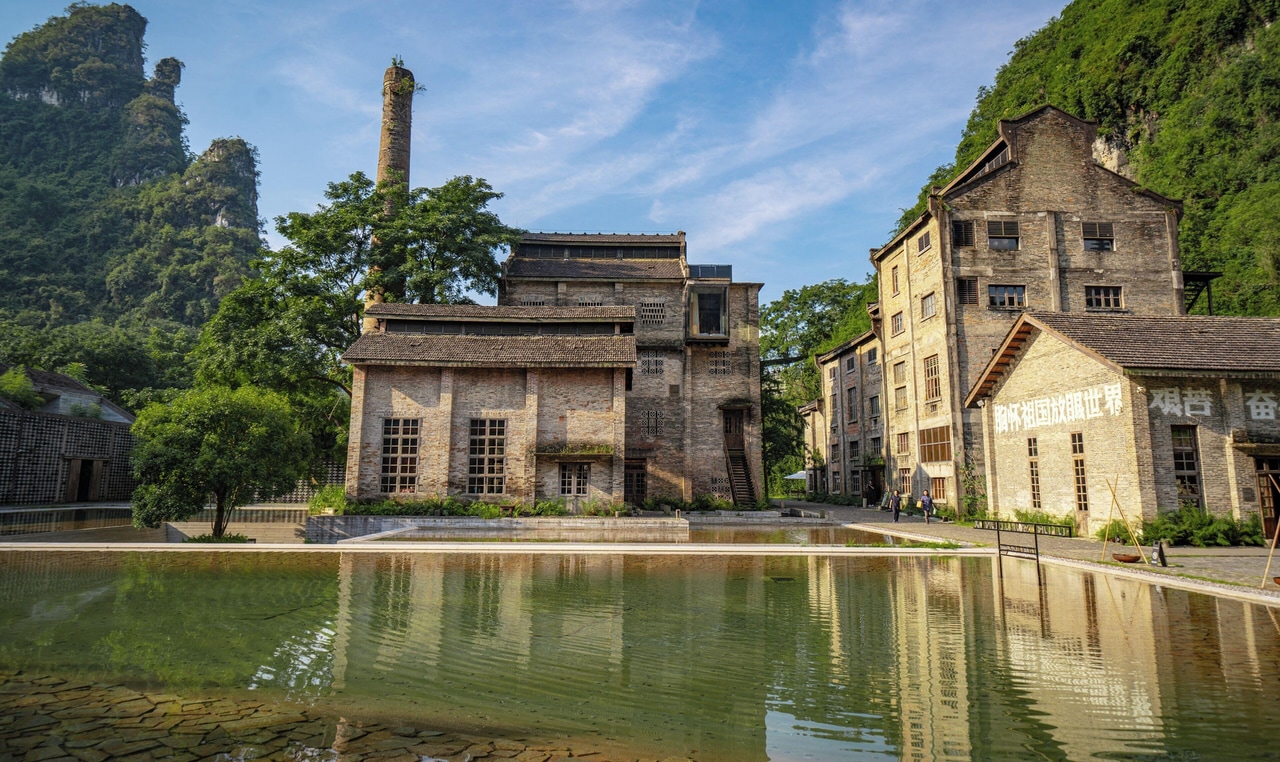
Photo: Alila Resorts · Yangshuo Sugar House
Founded in 1969, the old Guilin Yangshuo Sugar Mill lay dormant for years before a 12-year artistic reinvention brought it back to life in 2017. The result is a property that holds four distinct kinds of beauty in rare tension: the natural drama of the karst landscape, the raw honesty of industrial heritage, the precision of contemporary architecture, and the quiet poetry of deliberate imperfection. That combination has drawn hotel enthusiasts from around the world ever since.
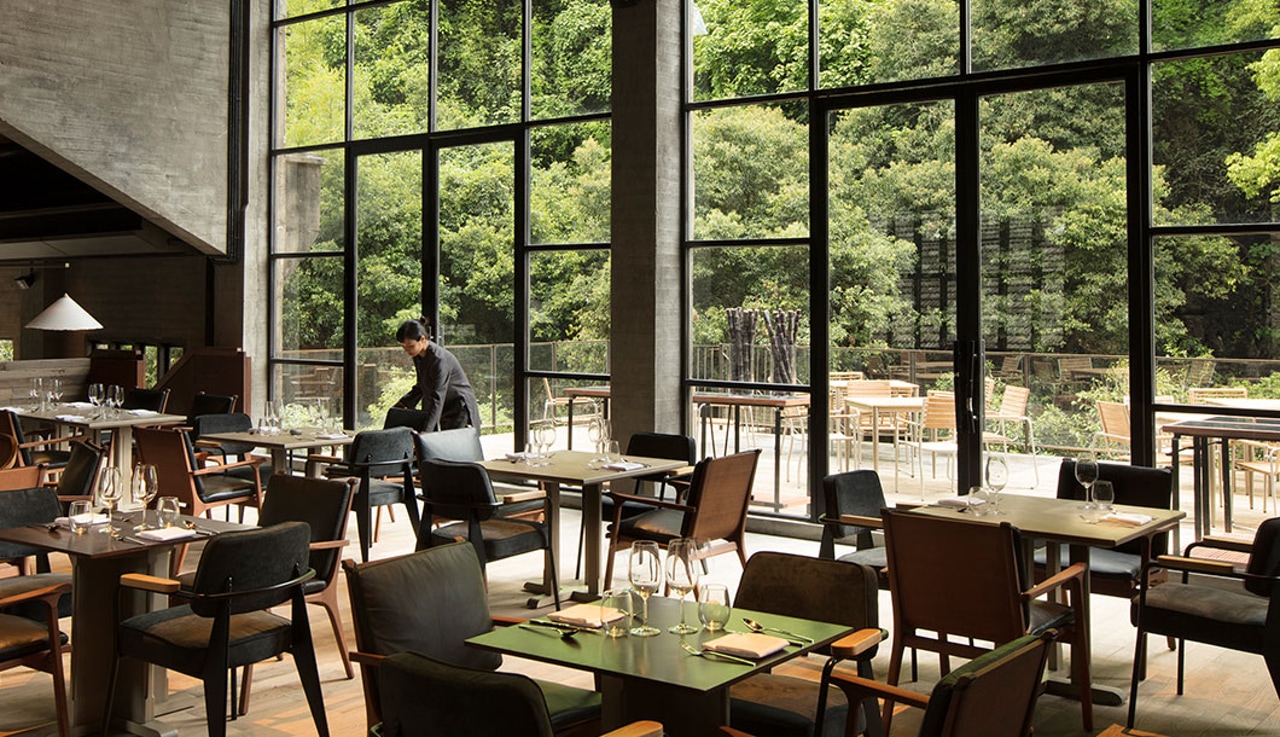
Photo: Alila Resorts · Yangshuo Sugar House
For those working in the sugar industry today, Yangshuo Sugar House is more than a luxury destination — it is a masterclass in the latent value of industrial heritage. It asks a question worth sitting with: what is a sugar mill really worth once the processing stops?
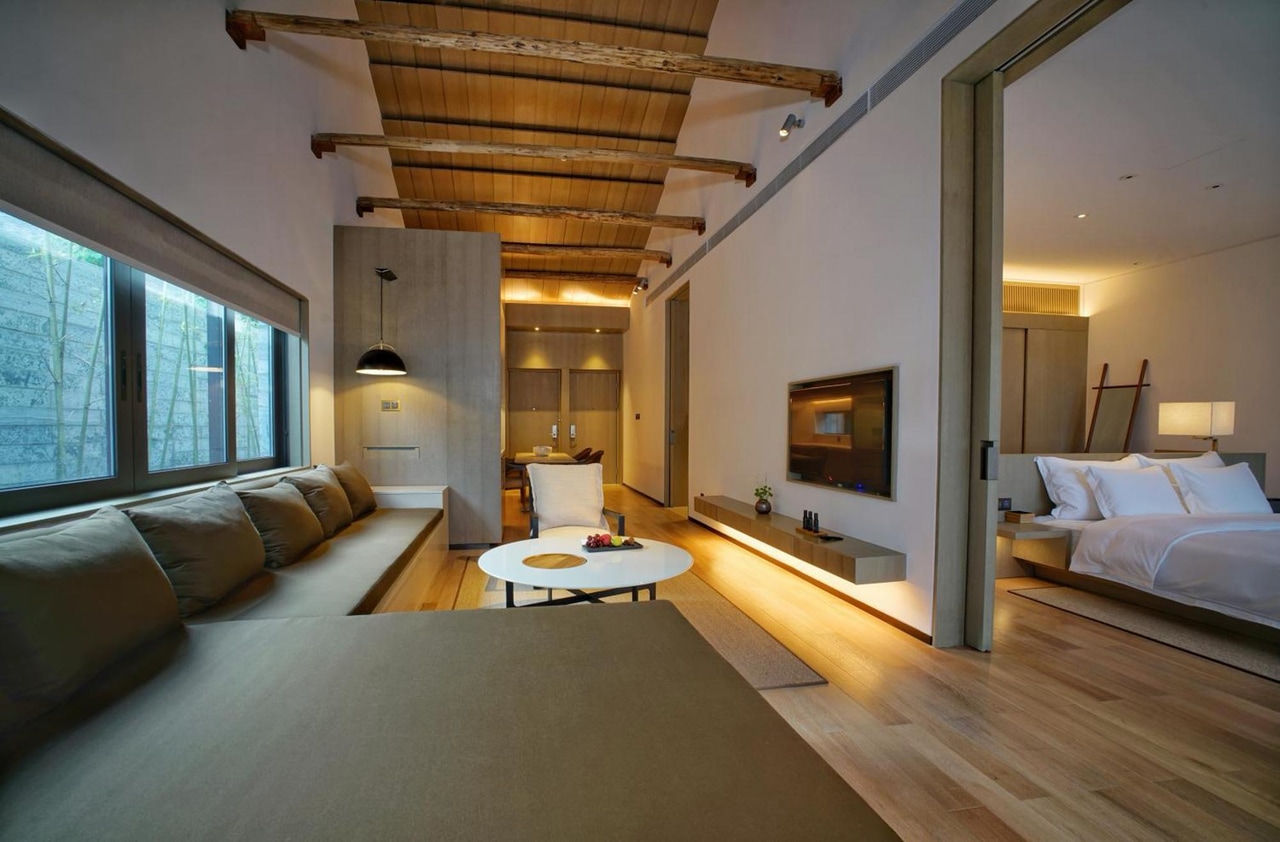
Photo: Alila Resorts · Yangshuo Sugar House
This factory did not disappear. It simply changed what it produces — from refined sugar to refined experiences. And by almost any measure, the margins are considerably better.