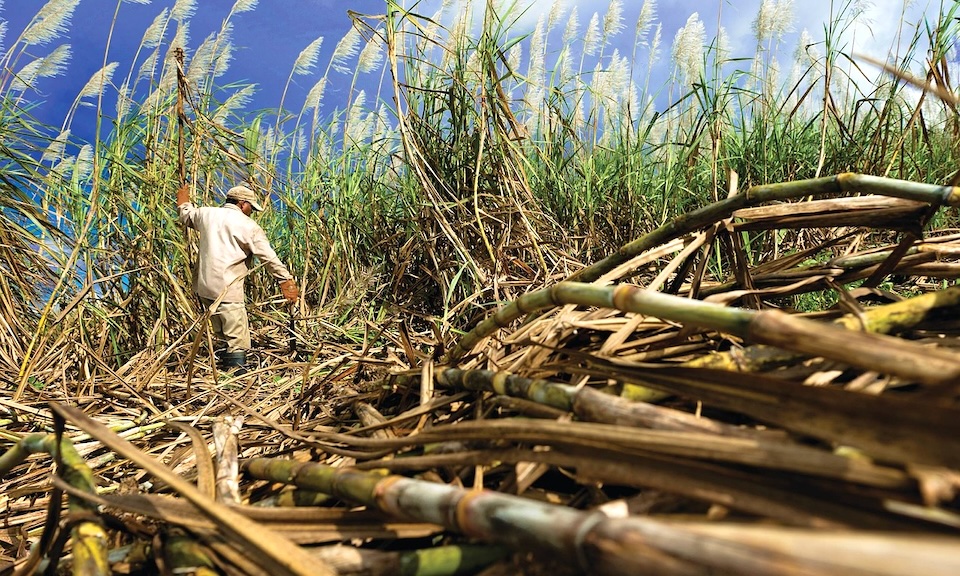
India’s sugar production has shown unexpected resilience in the ongoing 2025/26 marketing year. According to the latest data from the Indian Sugar & Bio-Energy Manufacturers Association (ISMA), cumulative output reached 27.23 million tonnes (MT) as of March 31, 2026—a 9% increase compared to the 24.88 million tonnes produced during the same period last season.
Production Surge vs. Mill Operations
Despite the volume growth, the industry is seeing a significant contraction in active milling capacity. As of late March, only 56 sugar mills remained operational, compared to 95 mills at this time last year. This suggests an accelerated crushing pace or a higher concentration of cane supply in specific regions.
Regional Performance Highlights:
-
Maharashtra: The largest contributor this season, with output reaching 9.93 million tonnes, up significantly from 8.03 million tonnes last year.
-
Uttar Pradesh: Production remained steady at 8.75 million tonnes, mirroring last season’s performance despite fewer active mills (28 vs. 48).
-
Karnataka: Output rose to 4.79 million tonnes, compared to 3.99 million tonnes previously.
Looking ahead, industry experts anticipate a “special season” between June and September 2026, which may see some mills in Southern Karnataka and Tamil Nadu resume operations.
The Push for Higher MSP and Ethanol Blending
The production success is being overshadowed by financial strain at the mill level. ISMA is currently lobbying the government for an urgent upward revision of the Minimum Selling Price (MSP).
The association stated that rising production costs and inadequate ex-mill realizations are squeezing cash flows, leading to an accumulation of cane payment arrears to farmers. To stabilize the sector, ISMA is also advocating for:
-
Accelerated Ethanol Blending: Reducing reliance on crude oil imports while providing mills with an alternative revenue stream.
-
Market Stabilization: Policy interventions to align the MSP with the current cost structure of the 2025/26 season.
Domestic Demand Headwinds
In an unusual market twist, domestic sugar consumption has faced temporary pressure due to disruptions in the LPG (Liquefied Petroleum Gas) supply chain. The shortage has led to the temporary closure or reduced hours of numerous commercial food outlets and street vendors, resulting in a noticeable dip in institutional sugar demand.
YnSugar Analyst’s View
India’s 9% production jump is a critical “buffer” for the global market, especially as Brazil pivots toward ethanol. However, traders should not mistake higher production for higher exports. The industry’s desperate push for an MSP hike and the reported cane arrears suggest that the Indian government will prioritize domestic price stability and farmer payments over lifting export restrictions. Furthermore, the LPG-related consumption dip is likely a short-term anomaly; once energy logistics stabilize, we expect Indian domestic demand to rebound sharply, potentially neutralizing the current surplus. The “Ethanol vs. Sugar” debate in New Delhi remains the most important variable for the Q3 global price outlook.