Berlin, April 7, 2026 — Germany’s sugar sector is sounding the alarm. The Wirtschaftliche Vereinigung Zucker (WVZ), the country’s leading sugar industry association, has released its final report on the 2025/26 beet campaign, painting a stark picture of an industry battered by shrinking acreage, collapsing prices, and what it calls unfair foreign competition.
A Shrinking Footprint
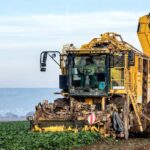
The numbers tell a sobering story. Sugar beet acreage in Germany fell by nearly 10 percent year-on-year, dropping to just 348,678 hectares — a clear sign that growers are losing confidence in the crop’s profitability. Beet deliveries came in at roughly 82 tons per hectare, about 3 percent below the prior season. While favorable weather conditions pushed average sugar content up by nearly 8 percent to 17.59%, it was not enough to offset the decline in planted area. Total sugar output from beets stood at 4.4 million tons, down approximately 5 percent from the previous campaign.
| Campaign | Area (ha) | Sugar Yield (t/ha) | Beet Yield (t/ha) | Sugar Content (%) | Beet Deliveries (t) | Sugar Output (t) |
|---|---|---|---|---|---|---|
| 2025/26 | 348,678 | 12.7 | 82.1 | 17.59 | 28,620,689 | 4,421,765 |
| 2024/25 | 386,154 | 12.0 | 84.7 | 16.33 | 32,703,651 | 4,639,435 |
| 2023/24 | 364,519 | 11.6 | 81.8 | 16.35 | 29,818,598 | 4,223,363 |
A Market in Crisis
The European sugar market, according to the WVZ, is in the grip of a full-blown crisis. EU and world sugar prices have plunged to historic lows even as production costs continue to climb. Making matters worse, trade concessions granted to major exporters such as Brazil and Australia are intensifying competitive pressure on domestic producers, who say they are effectively paying the price for broader EU trade deals.
IPP Suspension: A Welcome but Insufficient Step
The industry has welcomed the European Commission’s announcement of a temporary suspension of Inward Processing Procedure (IPP) — a customs mechanism that has allowed significant volumes of cheap sugar to enter the EU market duty-free for re-export as processed goods. According to DG AGRI data, approximately 512,000 tons of sugar were imported into the EU through IPP in just the first four months of the 2025/26 marketing year.
Dr. Stefan Streng, Chairman of the WVZ, called the suspension “an important signal” but stressed it must come into effect without delay and cannot be the end of the story. He urged policymakers to permanently close what the industry considers a loophole for sugar produced under lower environmental, production, and social standards — and to fundamentally overhaul the IPP framework.
“The IPP suspension alone will not resolve the market crisis,” Dr. Streng said. “Our producers deliver a homegrown product manufactured to the highest standards. But they cannot survive in the long run against distorted markets. Policymakers must finally ensure fair competition on a level playing field with equal environmental and social standards.”
Looking Ahead
The WVZ, which represents the interests of some 21,000 sugar beet growers, four sugar-producing companies, and various sugar trading firms, is calling for a broader set of policy responses. In its view, current safeguard measures are either too limited in scope or simply unsuitable for the sugar sector. As the EU navigates new trade agreements and internal agricultural reform, the German sugar industry’s message is clear: survival depends on structural change — not just temporary relief.
YnSugar Outlook: Seeking Structural Change
The German sugar industry, representing some 21,000 growers and four major producers, is sending a clear message to Brussels: survival depends on structural change—not just temporary relief.
As the EU navigates internal agricultural reforms and new international trade pacts, the market will remain volatile. The core issue remains a lack of a level playing field. Until environmental and social standards are harmonized for imports, EU producers will struggle to compete in a distorted global market.