China’s sugar market in 2025 tells a story of shifting dynamics across the entire supply chain—from producers and distributors to end-users and emerging substitutes. Here’s what shaped the landscape this year.
Supply Side: Lower Prices, Higher Sales Velocity
Sugar manufacturers navigated a year of declining selling prices paired with climbing sales volumes. However, sales velocity exhibited notable volatility, with the first half of the year significantly outperforming the second. While direct sales to major industrial buyers remained a secondary channel, most manufacturers continued to rely heavily on distribution networks via trading companies.
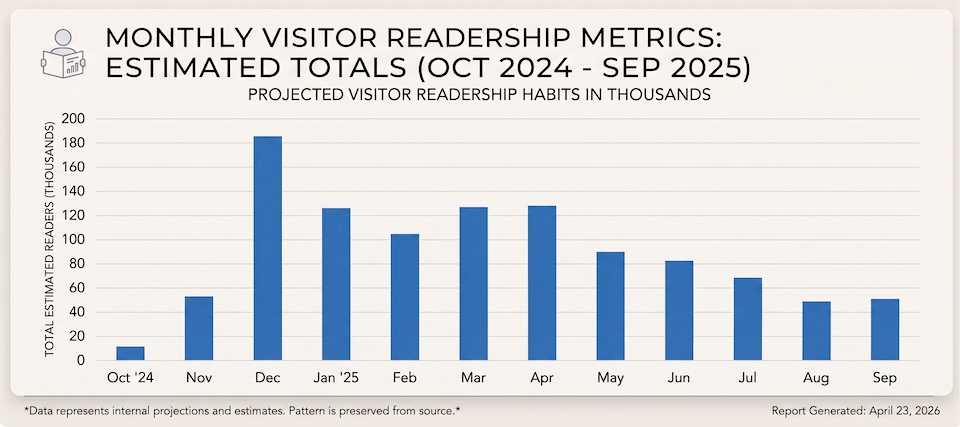
Figure 1: Monthly Sugar Sales During the 2024/25 Production Period (unit: 10,000 tons)
The Distribution Lens: Consolidation Under Pressure
Trading volumes among sugar distributors held steady with slight growth—but the operating environment proved tough. Fierce competition squeezed margins, and profits contracted across the sector.
Market consolidation is accelerating. Small and mid-sized distributors are struggling to survive, with many facing exit pressure. Larger players have absorbed their market share, pushing industry concentration higher.
Sourcing patterns remain stable. Distributors continue to procure primarily from sugar mills, supplemented by smaller volumes from futures markets and imports. Purchasing combines long-term contracts with spot transactions.
Cautious buying defined 2025. Distributors maintained lean inventories, with price emerging as the dominant factor in purchasing decisions.
Seasonality is fading. In recent years, the traditional seasonal rhythm of sugar sales has flattened considerably. In 2025, the pattern shifted further: the first half clearly outpaced the second, with downstream companies delaying their sugar purchases in the later months.
Downstream behavior is evolving. Most end-users now buy on a spot basis, with some conducting tender-based procurement. Large enterprises purchase on monthly, quarterly, or annual cycles, while smaller firms buy on an as-needed basis. The result: higher purchase frequency, smaller order sizes, persistently low inventories, and heightened price sensitivity.
Distributors are adapting on two fronts. First, they are increasingly turning to financial tools like futures and options to hedge operational risk. Second, they are leveraging their price advantages and stable customer bases to expand into niche market segments, strengthening their overall competitive position.
The End-User Lens: Stable Demand, Growing Concentration
Consumption among major sugar users diverged by sector, but aggregate demand was flat to slightly up. Industry surveys indicate that in 2025, total sugar usage among large end-users remained stable with mild growth, pointing to a healthy consumption trend overall.
Sector breakdown:
- Flat to slight growth: food and beverage, dairy, canned goods, and fast-moving consumer goods
- Roughly unchanged: pharmaceuticals
Production data from January through November 2025 shows year-on-year growth in instant noodles, frozen desserts, soft drinks, and refined tea. However, output declined to varying degrees in confectionery, dairy, canned goods, and soy sauce.
The “head effect” is pronounced—large end-users continue to consume more sugar, while smaller players lose ground.
Persistent pain points. Both distributors and end-users flagged several ongoing issues: clumping and yellow-black impurities in some sugar batches, limited product variety, continued reliance on imports for certain premium applications, and inadequate after-sales service.
The Substitutes Lens: New Channels, Competitive Alternatives
Tighter import controls, new workarounds. Stricter enforcement in 2025 significantly reduced imports of sucrose solutions and white sugar premixes. However, products classified under HS code 2106 surged as an alternative channel, with imports rising sharply.
Starch-based sweeteners gain ground. Price advantages are driving substitution. The spread between high-fructose corn syrup and sugar sits at roughly 2,500 yuan/ton, making it an attractive replacement in beverages, canned goods, and similar applications. Growth in starch sweetener consumption is expected to outpace sugar consumption growth in 2025.
The health factor. As scientific scrutiny of synthetic non-nutritive sweeteners deepens, safety debates have intensified. Consumer awareness around health is evolving, and demand for natural, health-oriented products is set to rise steadily.
Key Takeaways
- Price pressure and volume resilience defined the production side.
- Consolidation and flattened seasonality reshaped distribution.
- Stable aggregate demand masked significant sector-level divergence.
- Substitutes and import workarounds are reshaping the competitive landscape.
China’s sugar market in 2025 reflects an industry in transition—one where efficiency, risk management, and adaptability increasingly separate the winners from the rest.