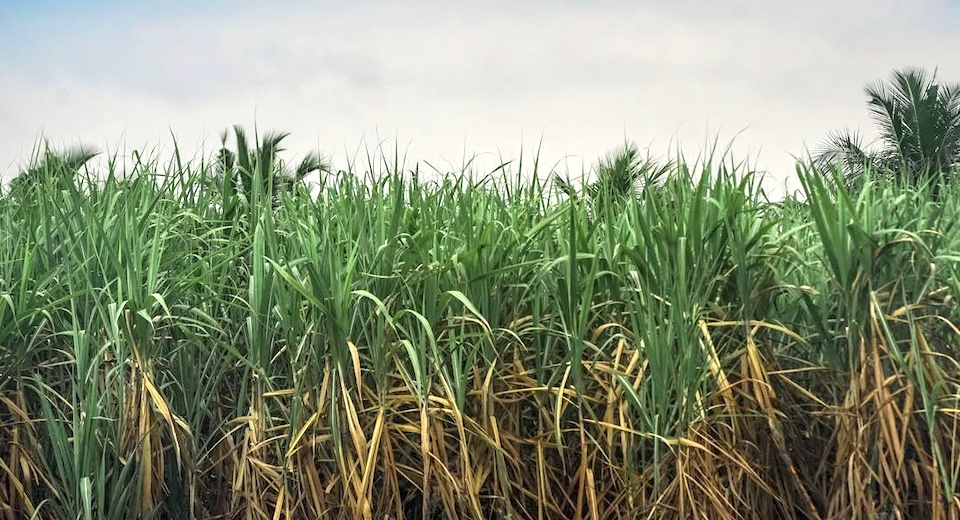
The China Sugarcane Germplasm Repository, located in Yunnan, has officially become…
When it comes to sugar production, varieties are everything. Industry analysts consistently estimate that improved cultivars contribute up to 60% of productivity gainsin sugarcane farming — influencing cane yield per hectare, sucrose content, and resilience against disease, pests, and climate stress. For China, securing the genetic foundation of its sugar industry has been a long-term strategic priority, and that effort has now reached a significant milestone.
A Repository Three Decades in the Making
Established in 1995 in Kaiyuan, Yunnan Province, the National Sugarcane Germplasm Repository was built under the stewardship of the Yunnan Academy of Agricultural Sciences’ Sugarcane Research Institute. From the outset, its mission was ambitious: systematically collect, preserve, and study sugarcane genetic resources through field expeditions, domestic surveys, and international exchange programs.
Three decades of steady accumulation have paid off. As of 2025, the repository holds approximately 6,800 accessions spanning 6 genera and 17 species, sourced from 39 countries and 14 Chinese provinces and autonomous regions. That collection now surpasses the holdings of Brazil’s CTC (Centro de Tecnologia Canavieira) — long regarded as the benchmark for sugarcane genetic resources — making China’s repository the largest of its kind in the world.
More Than a Storage Facility
Scale alone doesn’t define the repository’s value. What sets it apart is the comprehensive evaluation and utilization system built around the collection. Researchers have systematically assessed accessions across multiple dimensions:
- Agronomic traits — growth habit, stalk height, tillering capacity
- Disease and pest resistance — critical for reducing chemical inputs
- Stress tolerance — drought, cold, and waterlogging resilience
- Quality characteristics — sucrose content, fiber ratio, juice purity
This systematic profiling transforms raw genetic diversity into an actionable gene bank, giving Chinese breeders a well-characterized toolkit rather than an uncharted archive.
Homegrown Varieties: The Downstream Payoff
The downstream impact of this repository is already visible in China’s variety registration data. According to the China Seed Industry Big Data Platform, by 2025, domestically bred sugarcane varieties had achieved 175 cumulative registrations under the non-major crop variety registration system.
These varieties span several well-known Chinese breeding series, each typically associated with a regional research institution:
| Series Name | Primary Breeding Institution | Regional Focus |
| Guitang | Guangxi Academy of Agricultural Sciences | Guangxi (Core Region) |
| Yunzhe | Yunnan Academy of Agricultural Sciences | Yunnan (High Altitude) |
| Yuetang | Guangzhou Sugarcane Industry Research Inst. | Guangdong |
| Zhongzhe | National Research Initiatives | National / Cross-regional |
| Funong | Fujian Agriculture and Forestry University | Fujian |
Together, these varieties form the backbone of China’s domestic sugarcane production and reduce the country’s historical dependence on imported genetics.
Why This Matters for the Global Sugar Industry
China accounts for roughly 25% of Asia’s sugar outputand is one of the world’s largest sugar consumers. Its ability to develop high-yielding, stress-tolerant domestic varieties directly affects both its import dependency and its long-term food security calculus. A world-class germplasm repository strengthens that self-reliance pipeline from the ground up.
For international seed developers, breeders, and agricultural trade professionals, China’s growing dominance in sugarcane genetic resources is a development worth watching — particularly as climate variability increasingly threatens yield stability across tropical growing regions.
Disclaimer & Sources
Source Note: Data in this report is synthesized from the Sugar Crops of China journal and compiled by the YnSugar Analysis Team. Figures reflect published statistics as of late 2025.
Disclaimer: This article is provided for informational purposes for sugar industry professionals and analysts. While based on official research data, market conditions and biological outcomes may vary. YnSugar assumes no liability for commercial decisions based on this historical data.