A significant case of Brazil sugar adulteration was uncovered on May 14, when authorities seized 48 tonnes…
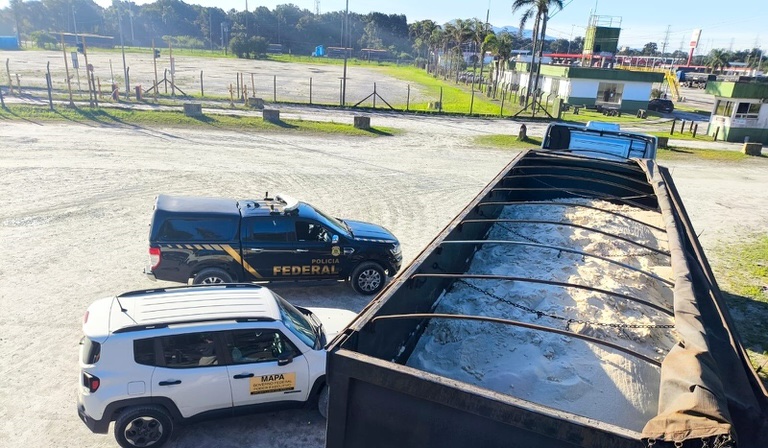
Brazil’s Ministry of Agriculture and Livestock (Mapa) announced on May 14 that a joint enforcement operation with the Federal Police uncovered approximately 48 tonnes of allegedly adulterated sugar at the Port of Paranaguá, Paraná state.
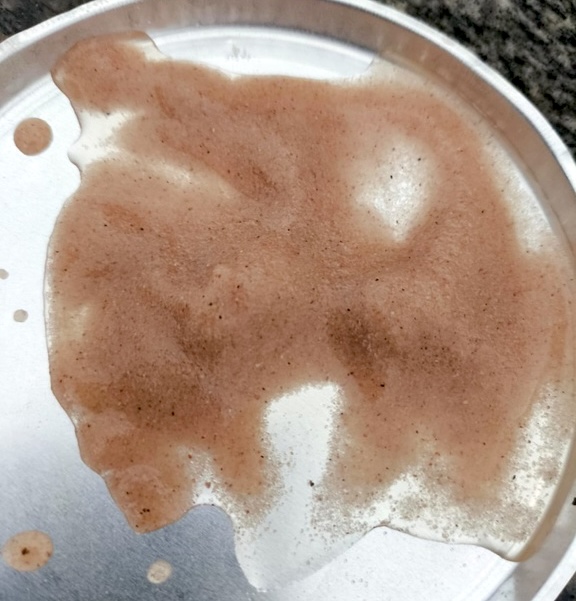
The shipment — composed of VHP (Very High Polarization) raw sugar intended for export — was found to contain insoluble impurities in excess of the legally permitted threshold. Preliminary field tests conducted during sampling detected what appeared to be sand or soil-like substances mixed into the product, suggesting adulteration and non-compliance with quality standards. Such testing is routinely used to verify sugar purity and identify potential contamination or fraud.
Following these findings, federal agricultural inspectors from Paraná’s Plant-Origin Products Inspection Service (Sipov/PR) collected samples on-site and dispatched them to the Federal Agricultural and Livestock Defense Laboratory in Goiás (LFDA/GO) for confirmatory analysis, with a view to initiating formal administrative proceedings.
The operation is part of an ongoing collaborative framework established since 2024 among the Federal Police, port authorities, and the Ministry of Agriculture, aimed at combating export fraud. This trilateral cooperation has strengthened safety, traceability, and credibility at the Port of Paranaguá — particularly for bulk agricultural commodities such as soybeans, soybean meal, and sugar.
Brazil is the world’s largest sugar producer and exporter, accounting for roughly 25% of global production and approximately 50% of global exports. In 2024, Brazilian sugar exports reached a record 38.24 million tonnes, generating over USD 18.6 billion in revenue.
Enforcement actions like this are critical to protecting the integrity of export shipments, maintaining international market confidence in Brazilian agri-food products, and safeguarding the credibility of the country’s inspection system. Fraud, adulteration, or contamination in export cargo can jeopardize access to key markets, trigger heightened phytosanitary scrutiny, and expose Brazil’s agricultural sector to significant economic and reputational damage.
The company responsible for the shipment has been formally charged. Because the origin of the substance found mixed into the sugar could not be traced, the product has been classified as an agricultural and livestock defense risk. Accordingly, the Ministry of Agriculture has ordered the destruction of the entire consignment in compliance with applicable environmental regulations.
Copyright & Disclaimer: This article is compiled and edited by ynsugar.com based on official reports from the Ministry of Agriculture and Livestock (Mapa) of Brazil. Original Source: Gov.br – Mapa e Polícia Federal apreendem 48 toneladas de açúcar… The information provided herein is for industry reference only. ynsugar.com does not assume any legal responsibility for the accuracy of the original findings or any potential commercial risks arising from the use of this data.