Ongoing monitoring of Brazilian sugar export quality remains paramount for international trade participants. On May 14, 2026, Brazil’s Ministry of Agriculture and Livestock (Mapa), in a joint enforcement operation with the Federal Police at the Port of Paranaguá, officially announced the seizure of approximately 48 tons of VHP raw sugar suspected of adulteration. While the tonnage is minor, it serves as a critical warning node for Chinese trade counterparts who collectively import over 4 million tons of Brazilian sugar annually.
This story is worth highlighting—a cautionary note for Chinese counterparts who import 4 million tons of Brazilian sugar each year.
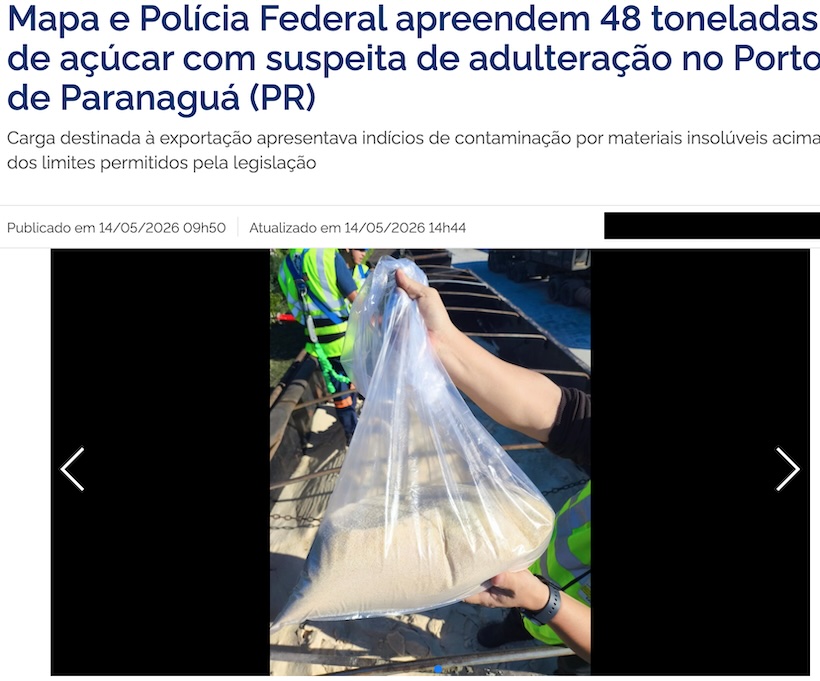
On May 14, Brazil’s Ministry of Agriculture and Livestock (Mapa) announced that, in a recent joint operation with police at the Port of Paranaguá, authorities had seized 48 tons of sugar suspected of adulteration.
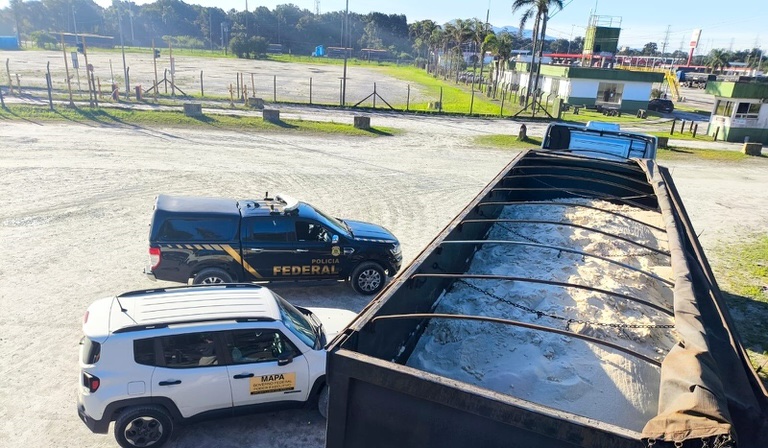
(Screenshot from the Mapa website)
The joint enforcement operation uncovered that this batch of export-bound sugar contained excessive levels of insoluble impurities, and the company involved has since been formally charged and penalized. According to reports, the approximately 48 tons of suspected adulterated VHP raw sugar (Very High Polarization raw sugar) were originally destined for export.
According to Mapa’s official statement, preliminary tests conducted during sampling revealed that the cargo contained insoluble substances resembling sand and soil, with levels exceeding the legal limits. This indicated possible adulteration and a failure to meet product quality standards. Such tests are primarily used to verify sugar purity and to detect potential contamination or adulteration.
In light of these suspicious findings, agricultural inspectors from the Plant Origin Products Inspection Service of Paraná (Sipov/PR) collected samples on-site and sent them to the Agricultural and Livestock Defense Laboratory (LFDA/GO) in the state of Goiás for confirmatory analysis, so that appropriate administrative measures could be taken.
This operation is part of an ongoing collaborative mechanism established since 2024 among the police, port authorities, and the Ministry of Agriculture, aimed at combating fraud in export shipments.
The tripartite joint action has effectively enhanced the safety, traceability, and credibility of operations at the Port of Paranaguá—particularly for bulk agricultural commodities such as soybeans, soybean meal, and sugar.
Brazil is currently the world’s largest producer and exporter of sugar, accounting for approximately 25% of global production and 50% of global exports. In 2024, Brazil’s sugar exports reached a record-breaking 38.24 million tons, generating export revenues of over USD 18.6 billion.
Enforcement and regulatory actions are critical to safeguarding the integrity of export shipments, maintaining international market confidence in Brazilian agricultural and livestock products, and protecting the credibility of the national inspection system. Fraud, adulteration, or contamination in export goods can jeopardize strategic markets, trigger stricter sanitary and phytosanitary requirements, and bring economic losses and reputational risks to Brazil’s agribusiness sector.
The company responsible for this shipment has now been formally charged and penalized.
Because the source of the substances mixed into the sugar cannot be traced, the product has been classified as a risk to agricultural and livestock defense. Accordingly, Brazil’s Ministry of Agriculture will order the destruction of the shipment in compliance with current environmental regulations.
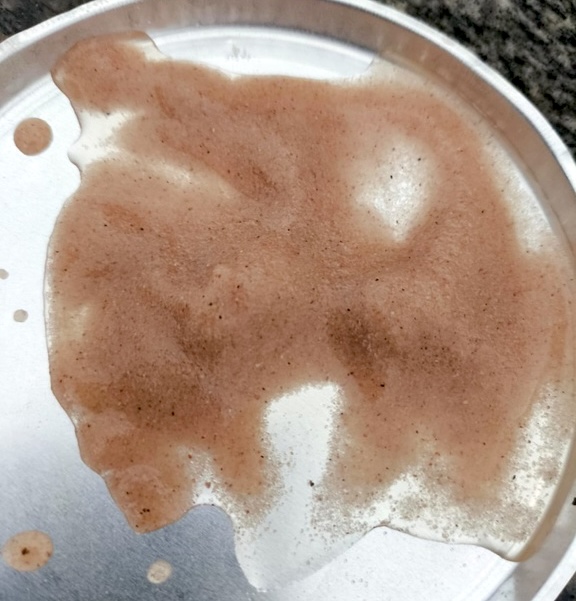
(The batch of raw sugar with excessive insoluble impurities)
The ynsugar research team believes that 48 tons is a relatively small amount compared to Brazil’s annual export volume of over 30 million tons, but the incident is still worth noting:
The seized sugar in question was raw sugar destined for export, and China imports approximately 4 million tons of Brazilian raw sugar every year. Food safety is of paramount importance, making this a timely reminder for industry peers.
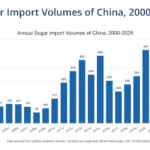
In 2025, China imported 4.92 million tons of sugar, with 4.29 million tons coming from Brazil—accounting for 87.26% of total imports.
Table: China Sugar Import Origins & Market Dominance (2025 Data)
| Country of Origin | Import Volume (Million Tons) | Share of Total Chinese Imports |
| Brazil | 4.29 | 87.26% |
| Other Origins | 0.63 | 12.74% |
| Total Imports | 4.92 | 100.00% |
Overall, the response from Brazilian regulatory authorities was candid and timely, helping to prevent further problematic products from entering global markets.
Disclaimer: The analysis and commentary provided by ynsugar.com are based on official regulatory reports issued by Brazil’s Ministry of Agriculture and Livestock (Mapa) on May 14, 2026. This article is intended solely for market intelligence and risk awareness tracking within the international agribusiness community. It does not constitute formal legal, commercial, or supply-chain procurement advice. While the historical import data represents verified customs summaries, ynsugar assumes no liability for individual commercial disputes or trading outcomes resulting from this information.