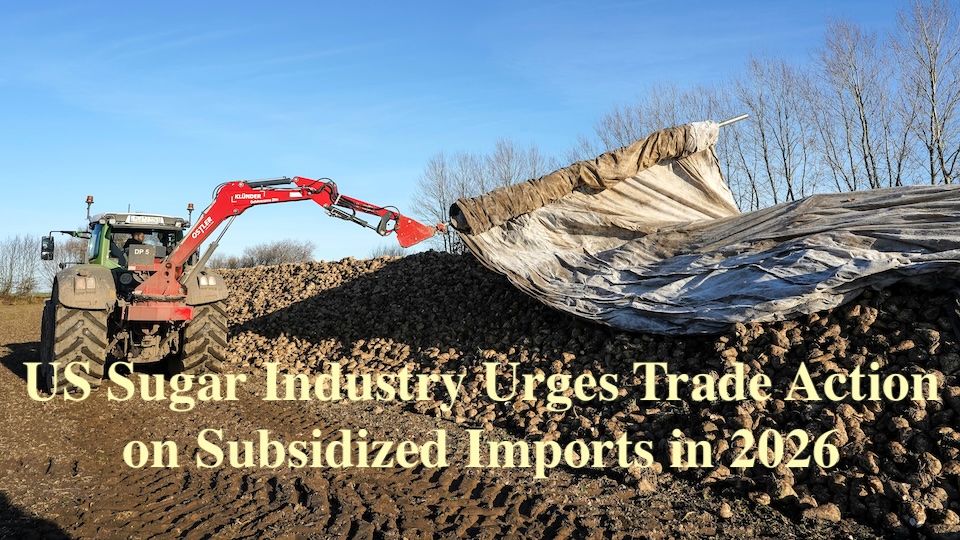
The US sugar industry imports 2026 situation has reached a boiling point, as domestic growers urge Washington to deploy Section 301 measures against a surge of subsidized foreign sugar…
American Sugar Alliance warns of loan forfeitures “within months” as outdated tariffs fail to stem flood of foreign sugar
WASHINGTON — America’s sugar growers and refiners are pressing the federal government to take urgent trade action against a surge of subsidized foreign sugar they say threatens to push the domestic industry into financial ruin within months.
The American Sugar Alliance (ASA), which represents the nation’s cane and beet farmers along with processing facilities, filed formal comments this week with the Office of the U.S. Trade Representative (USTR). The group is urging Washington to deploy protective measures under Section 301 of the Trade Act of 1974, citing what it calls discriminatory trade practices by foreign sugar-producing nations.
“A Matter of Months” Before Loan Forfeitures Begin
The ASA’s warning to the USTR was stark.
“Without containing this flood of subsidized foreign sugar imports, the U.S. industry is facing catastrophe, with loan forfeitures likely starting within a matter of months and closures following,” the Alliance wrote.
Rob Johansson, the ASA’s director of economics and policy analysis, warned that inaction would have lasting consequences. “If we do not quickly update the above-quota sugar tariffs to reflect today’s economic realities, we are likely to see loan forfeitures. More American family farms and U.S. mills will close if the economic damage continues without a solution, leaving us dependent on foreign suppliers. We cannot afford to outsource family farms or American food production,” Johansson said.
Tariffs Set 26 Years Ago — and Eroded by Inflation
At the heart of the Alliance’s petition is a complaint that America’s over-quota tariffs have become toothless.
Current rates stand at 33.87 cents per kilogram for raw sugar and 35.74 cents per kilogram for refined sugar — levels the ASA says were locked in 26 years ago and have since been gutted by inflation.
“The above-quota tariffs have been eroded by inflation and are no longer an effective tool for governing sales of foreign above-quota sugar in the U.S.,” the Alliance argued in its filing.
Yet those same tariffs are also a key reason U.S. sugar prices run nearly double the international benchmark set by raw sugar futures (SBc1) on the ICE Exchange — a point long raised by food manufacturers and consumer advocates.
Imports From Some Countries Up Thousands of Percent
The ASA’s petition includes striking data on the growth of above-quota imports between fiscal years 2021 and 2025:
- El Salvador: up 2,966%
- Honduras: up 2,578%
- Costa Rica: up 732%
- Argentina: up 664%
- Thailand: up 385%
- Brazil: up 267%
The Alliance attributes the surge to “unreasonable policies enacted by foreign governments that have created structural excess capacity and production,” arguing that subsidized foreign sugar is “taking market share” from American producers.
The group is pushing for USTR’s current Section 301 review — which probes unfair foreign trade practices contributing to structural overcapacity — to formally include the global sugar sector.
How U.S. Sugar Policy Works
American sugar policy rests on two pillars: tariff-rate quotas (TRQs) that allow limited imports at lower tariffs under World Trade Organization agreements, and over-quota imports that can enter in unlimited volumes but face steep tariffs.
For fiscal year 2026, USTR has allocated an in-quota amount of 1,117,195 metric tons raw value for raw cane sugar — the minimum the U.S. committed to under its WTO obligations.The largest allocations went to the Dominican Republic (189,000 tons), Brazil (156,000 tons), and the Philippines (145,000 tons).
U.S. sugar growers supply roughly 75% of domestic demand, yet the United States remains the world’s third-largest sugar importer.
A Policy Already Tightening
The sugar industry is not operating in a vacuum — Washington has already moved to restrict some imports.
USDA Deputy Secretary Vaden recently announced the agency would allocate zero Specialty Sugar Quota (SSQ) tonnage for the organic market in fiscal year 2026, a shift that will generate over **$85 million in new tariffs on organic sugar imports**. The Organic Trade Association has warned the decision will significantly raise costs for organic sugar and disrupt American manufacturing supply chains.
USDA said the move aligns with Secretary Rollins’s “Farmer First” agenda. The federal government has backed domestic sugar through a combination of tariffs, quotas, and price guarantees for at least four decades.
Critics Say Consumers Pay the Price
Not everyone agrees the current system needs more protection.
The U.S. Government Accountability Office (GAO) has previously found that the sugar program’s import-restriction methodology is based on data more than 40 years old and fails to reflect current market conditions. The GAO estimated the program imposes roughly **$1 billion in net annual costs on the U.S. economy**, with consumer losses exceeding producer gains. In 2022, American consumers — including food manufacturers — paid approximately double the world price for sugar.
Food and beverage manufacturers, longtime critics of U.S. sugar policy, argue that higher tariffs would further inflate costs for downstream industries from bakeries to candy makers.
What Comes Next
The USTR has not yet responded to a request for comment on the ASA’s filing.
Trade analysts say the petition could catalyze a significant shift in U.S. sugar trade policy — one with far-reaching implications for exporters in Brazil, Thailand, Central America, and a range of developing economies that have come to rely on the American market.
Whether the Trump administration opts to update the over-quota tariffs, launch a formal Section 301 investigation into foreign sugar subsidies, or pursue a broader policy overhaul, the decision will ripple through global commodity markets, grocery aisles, and farm communities across the American heartland.
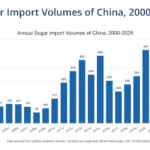
⚖️ Policy Regime Comparison: In contrast to the US model, China’s sugar import system operates under a strict tariff-rate quota regime — detailed extensively in our China import report.
Disclaimer: This report is synthesized from official ASA filings, USTR announcements, and public government data. The analysis provided is for informational purposes only and does not constitute financial or commercial advice.