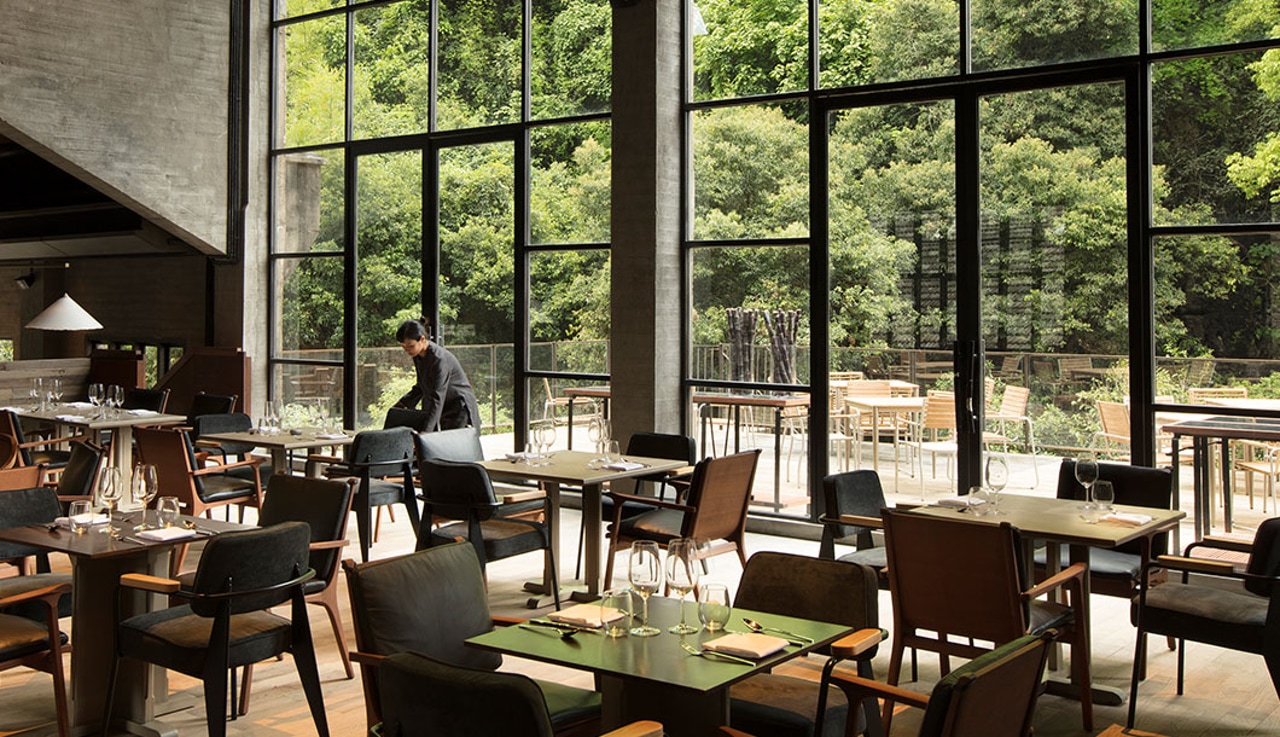
Explore the Yangshuo Sugar House, where a 1960s sugar mill becomes a luxury resort… Photo: Yangshuo Sugar House
Nestled against the dramatic limestone karst mountains along the Li River in Guangxi, China, Yangshuo Sugar House stands as a remarkable testament to adaptive reuse—transforming a forgotten relic of China’s industrial past into one of the country’s most distinctive luxury resorts.
From Sugar Mill to Boutique Resort
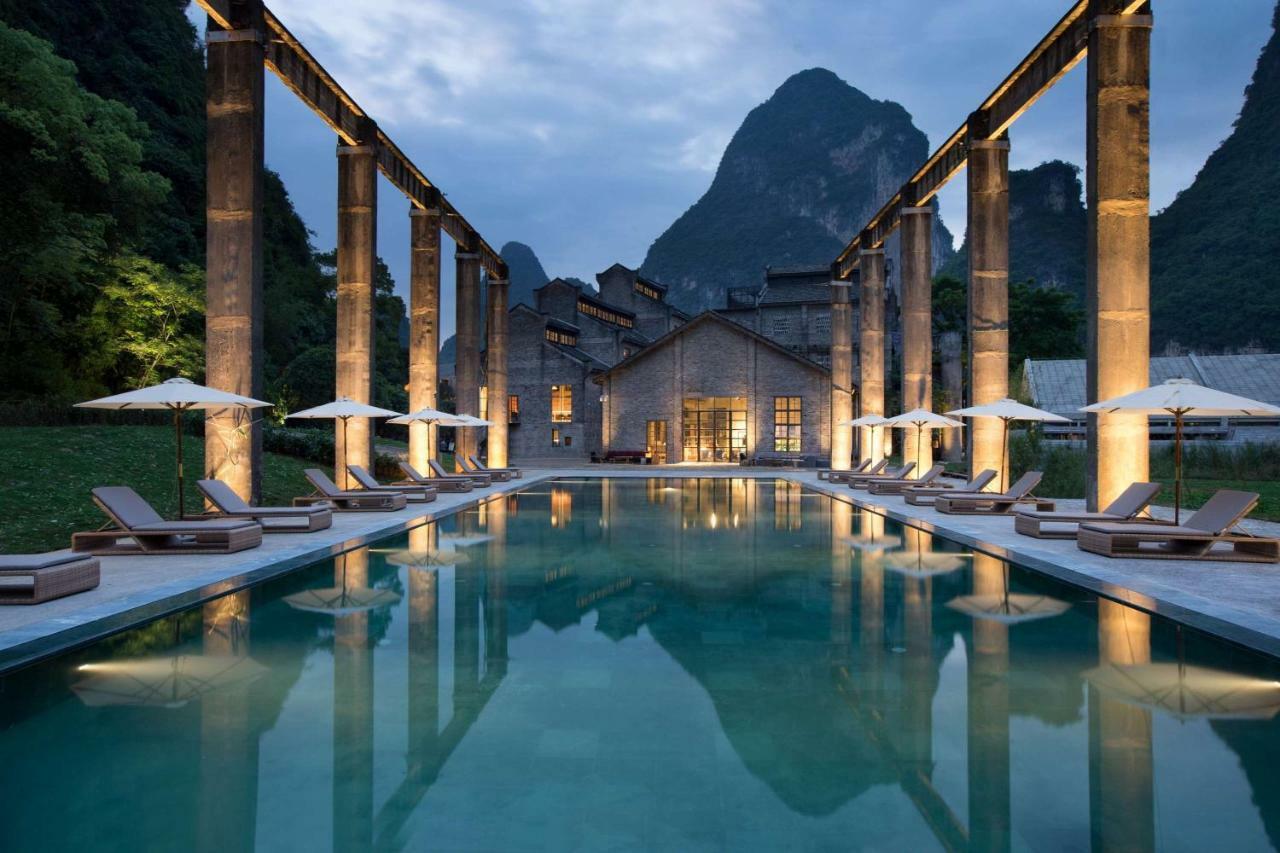
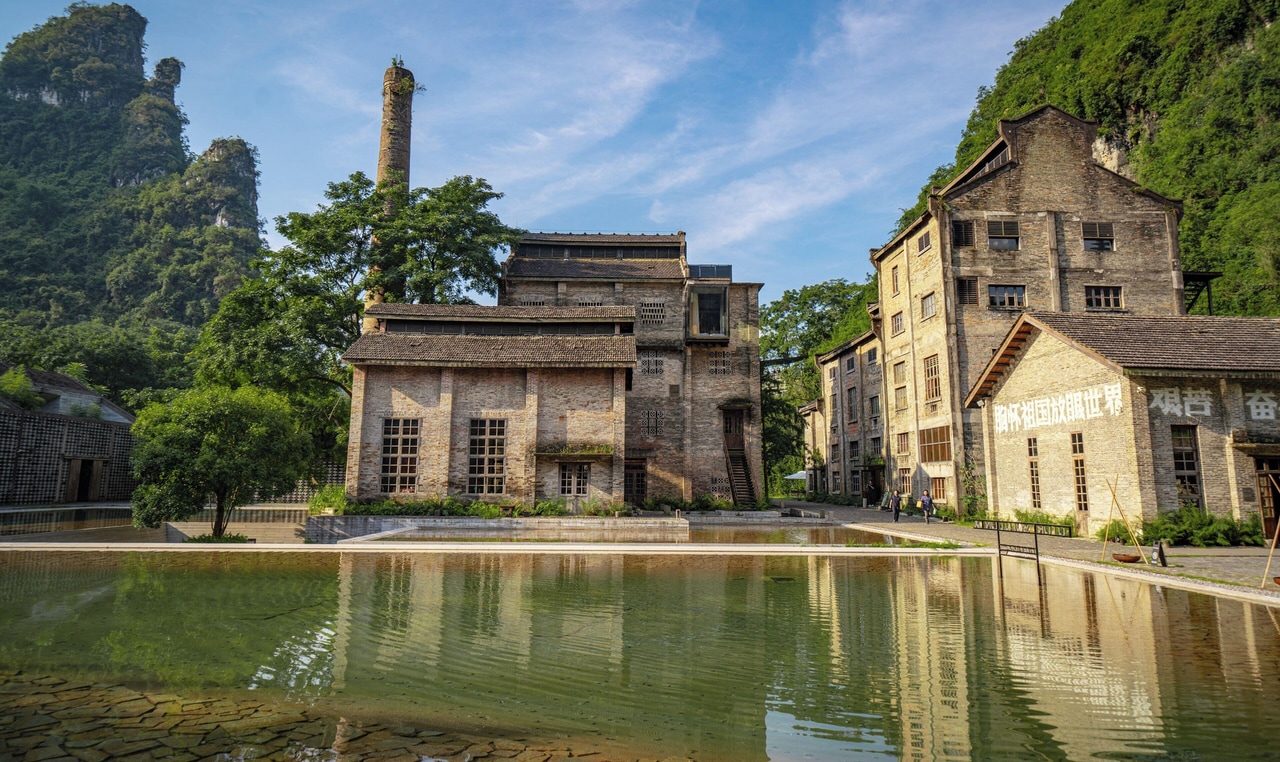
The property’s origins trace back to 1969, when it operated as one of Guilin’s four major state-owned sugar factories. An old sugar mill built in the 1960s is beautifully preserved, with an industrial truss used for sugar cane transport.For decades, the factory witnessed the rise and fall of the region’s industrial economy before being eventually abandoned.
In 2006, Danny T.T. Chan and Yang Xiaodong acquired an abandoned sugar mill with the intention of restoring it to its former architectural glory and turning it into a heritage resort.In 2017, the property opened for business with 117 rooms, suites, and villas.
Architectural Vision: Honoring the Old Through the New
The transformation was executed by Beijing-based Vector Architects, who approached the project with deep respect for its industrial heritage. The firm envisions industrial heritage as the representation of the spirit of an older generation—this became the premise of the entire project.
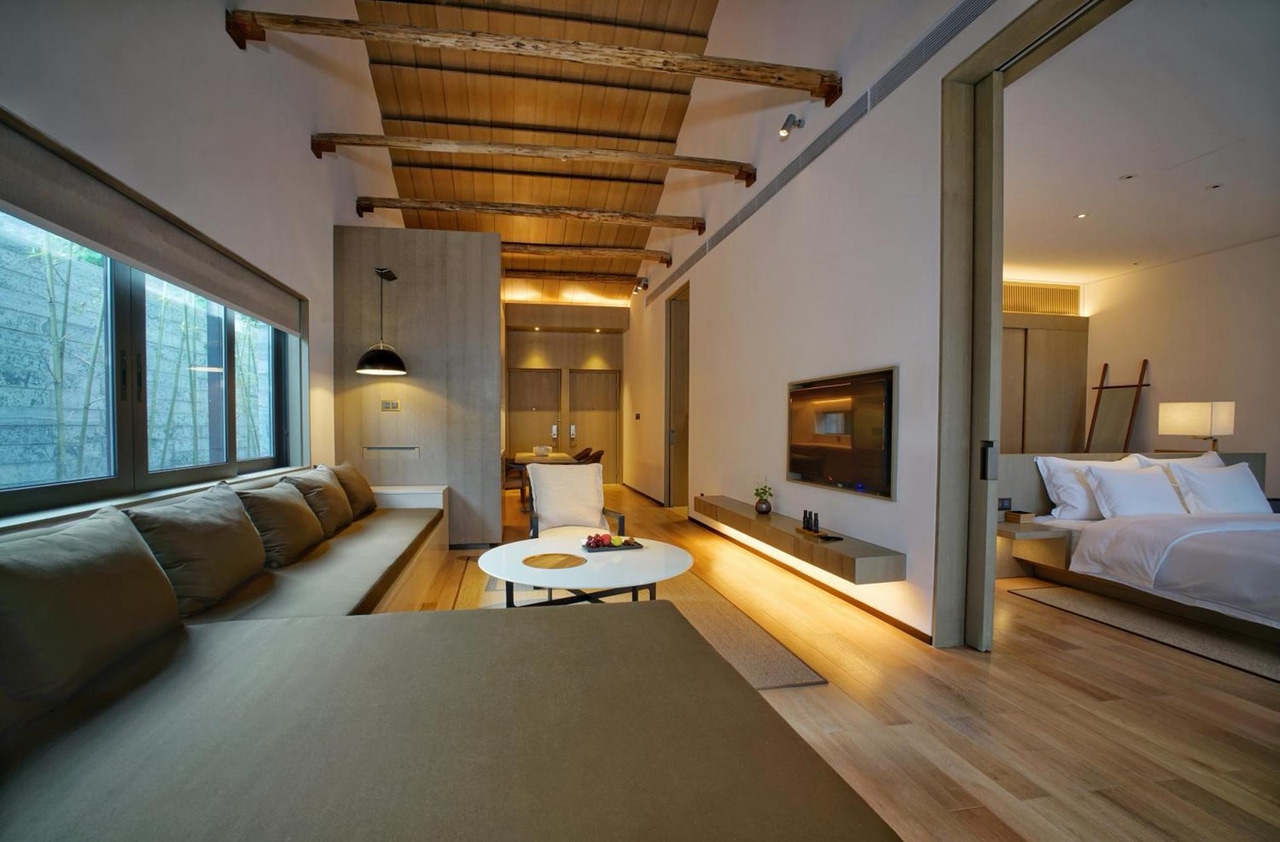
The materials used are “visually attuned to the existing order” while enhancing natural light and ventilation. As the architects explained, “instead of simply copying the old materiality and texture, we try to seek this nuance where we use more contemporary materials and construction methods while remaining the tinge and masonry structure of the Old.”
The Sugar House restaurant, the 1969 Bar, and the Water Pump private dining room are all beautifully restored spaces. The hotel’s spa is architecturally memorable as well, made from the sugar factory’s old molasses storage tank.
A Growing Global Trend
Yangshuo Sugar House exemplifies a broader movement in global tourism. The global heritage tourism market was estimated at USD 624.55 billion in 2025 and is projected to reach USD 936.97 billion by 2033, growing at a CAGR of 5.4%, driven by rising global interest in cultural preservation and an increased inclination among travelers to connect with history and traditions.
Industrial tourism specifically is growing at a CAGR of 7.8% between 2025 and 2035, benefiting from increasing consumer interest in industrial heritage, corporate-backed factory tours, and educational tourism initiatives.
Interest in industrial heritage and heritage tourism first evolved after the closure of Europe’s coal mines, with the aim of developing new economic perspectives and creating more positive overall images of these areas.Projects like Germany’s Zollverein, UK’s Ironbridge Gorge, and now Yangshuo Sugar House demonstrate how industrial ruins can become cultural landmarks.
The Guest Experience
Visitors describe it as “a beautifully executed conversion of a former sugar factory, with the original industrial character thoughtfully preserved and integrated into a refined, contemporary hotel design.”The hotel offers cultural experiences, yoga and tai chi, and even rock climbing on the surrounding limestone cliffs.
Sugar House Yangshuo paves the way for an exhilarating journey into the region’s natural and cultural splendors, where guests may explore curated arts, music, culinary, and outdoor programs.
A Model for Sustainable Tourism Development
The success of Yangshuo Sugar House offers valuable lessons for heritage preservation worldwide. Heritage tourism is typically considered a valuable option for fostering sustainable development, as cultural heritage is seen as an innovative element that positively impacts both economic and social spheres.
The current momentum in industrial tourism is driven by increasing urbanization, a push toward experiential travel, technological advancements in visitor engagement, and a global emphasis on sustainable development. These elements collectively position industrial sites not only as heritage assets but also as vibrant economic catalysts.
For travelers seeking more than conventional luxury, Yangshuo Sugar House delivers an extraordinary synthesis of natural beauty, industrial heritage, architectural innovation, and historical resonance—a new landmark where the past is not merely preserved, but reimagined for the future.