Published by ynsugar | Applicable to sugarcane-growing regions in South and Southeast Asia
Successful sugarcane waterlogging management is essential as the monsoon season intensifies across South and Southeast Asia’s major sugarcane belts. Growers currently face a critical window where poor drainage can translate directly into significant yield losses. Heavy rainfall leading to field waterlogging triggers a cascade of agronomic problems — root rot, yellowing, abnormal lateral bud growth, reduced stalk counts, and pest outbreaks. The longer the water sits, the worse the damage. This guide outlines both preventive strategies and post-flood recovery measures to help growers minimize losses and restore crop vigor as quickly as possible.
Understanding the Impact of Sugarcane Waterlogging Management
Before diving into solutions, it helps to understand exactly what waterlogging does to a sugarcane plant.
Root Rot and Seedling Death
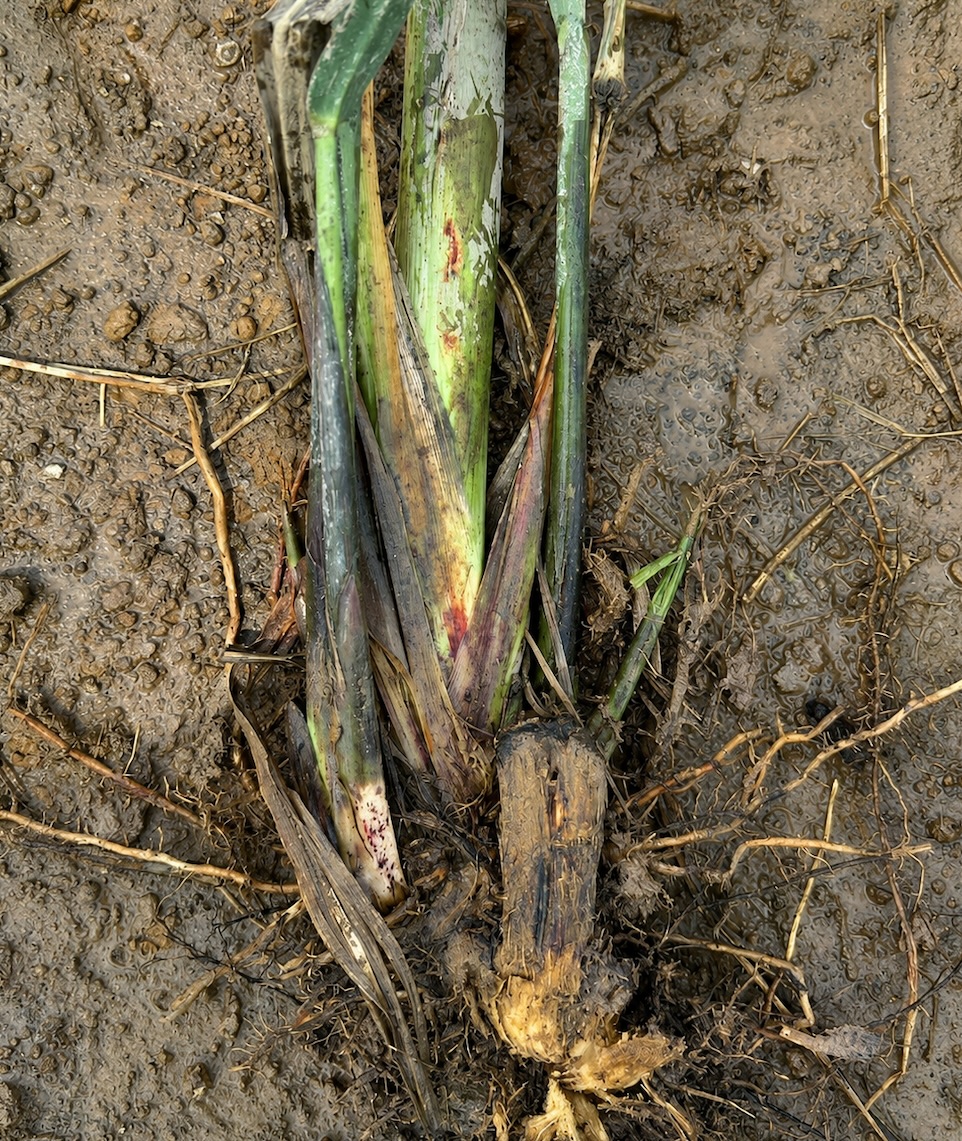
When roots are submerged, oxygen deprivation forces them into anaerobic respiration, which produces ethanol as a byproduct. Prolonged submersion leads to ethanol toxicity in the root system. Simultaneously, anaerobic soil microbes proliferate and accelerate root decay, ultimately destroying the plant’s ability to absorb water and nutrients. The visible progression is predictable: leaf yellowing → wilting → whole-plant death. Seedlings and tillering-stage plants are especially vulnerable because their root systems haven’t yet anchored deeply — waterlogging for just 24 hours can cause measurable root damage, and 2–3 days of standing water often results in widespread seedling loss.
Stunted Growth and Reduced Yield
Even when plants survive, submersion suppresses normal development. After water recedes, stalks tend to be thinner than normal, with excessive aerial root and lateral bud formation. Effective stalk count and stalk maturation rates drop significantly — both of which directly cut into harvestable yield.
Disease and Pest Pressure
Warm, humid post-flood conditions create ideal conditions for fungal outbreaks including pokkah boeng (top rot), rust, and sheath blight, as well as insect pest surges of stem borers, thrips, and aphids.
Nutrient Leaching
Rainfall runoff strips topsoil of soluble nutrients. Combined with damaged root systems that can’t absorb efficiently, widespread nutrient deficiency and further yellowing follow, weakening the entire stand.
Pre-Flood Prevention: Building Resilient Drainage Infrastructure
The most cost-effective strategy is proactive drainage management before flood events occur.
-
Optimize field drainage layout: For low-lying fields, dig perimeter trenches around field borders combined with internal cross-shaped or grid-pattern drainage channels. For contiguous growing blocks, implement a unified irrigation and drainage system to actively lower the water table.
-
Build up beds and furrows properly: Consistent hilling and bed formation ensures furrows are deep enough and beds high enough to channel water away efficiently. Well-formed beds also provide structural support against typhoon winds and lodging.
-
Conduct routine channel maintenance: Regularly clear silt and weeds from drainage channels before the rainy season peaks. For fields in naturally low or difficult-to-drain areas, have mechanical pumps on standby before major rain events.
Post-Flood Emergency Recovery: Step-by-Step
Step 1 — Drain the Field Immediately
As soon as floodwater begins to recede, clear all drainage channels without delay. For fields with persistent standing water, deploy mechanical pumps to evacuate water within 48 hours. Every additional hour of root submersion compounds the damage, so speed is critical here.
Step 2 — Wash Sediment Off Leaves
While drainage is underway, rinse sediment and mud off sugarcane leaves simultaneously. Silt clogging leaf stomata impairs photosynthesis and worsens the yellowing and weakening you’re trying to reverse. Restoring gas exchange is a quick, low-cost win.
Step 3 — Field Cleanup and Plant Rehabilitation
-
Strip away dead or yellowing lower leaves from stalk bases to improve airflow and light penetration through the canopy.
-
Straighten lodged or leaning plants and hill up soil at their bases to re-anchor them.
-
For plants with rotted growing tips, remove the damaged top portion promptly.
-
For plants where the above-ground portion has died but the ratoon stool remains intact with healthy lateral buds emerging, cut away all dead above-ground material to encourage the stool to regenerate new shoots. Healthy stalks from these stools can also be salvaged as seed cane.
Step 4 — Tillage and Root Stimulation
Once the soil has firmed up enough to work without excessive compaction (it should feel firm but not sticky), perform shallow inter-row cultivation to break up surface crusting and improve aeration. When hilling up, incorporate additional phosphate fertilizer to stimulate new root development and restore the root system’s nutrient uptake capacity.
Post-Flood Fertilization Strategy
Nutrient replenishment should be staged — foliar application first, followed by root-zone feeding once soil conditions allow.
Foliar Feeding (Priority Phase)
For fields that experienced extended waterlogging or have visibly weak stands, begin with foliar sprays — 0.2% monopotassium phosphate (MKP) solution or amino acid foliar fertilizer works well. Apply every 7–10 days until soil conditions are suitable for ground-level fertilization. This bypasses the damaged root system entirely and delivers nutrients directly to the plant.
Root-Zone Fertilization (Recovery Phase)
Once soil moisture drops to a workable level, follow cultivation with side-dress fertilization and hilling. Because monsoon leaching strips nutrients faster than normal, consider moving your standard fertilization schedule forward by approximately one month and adding one additional application compared to a non-flood year. Specialty sugarcane compound fertilizers that combine nutrients with insect control properties (such as Tianmei-brand agri-inputs) are worth considering for their dual-function efficiency.
Important: Do not apply root-zone fertilizer to waterlogged or overly wet soil — this risks fertilizer burn and further root damage at exactly the wrong time.
Integrated Pest and Disease Management
Post-flood high temperature and humidity conditions are prime conditions for simultaneous disease and pest outbreaks. A “one spray, triple protection” combined application approach — covering fungal disease, insect pests, and foliar nutrition in a single pass — maximizes labor efficiency.
Target threats:
-
Fungal diseases: pokkah boeng, rust, sheath blight, red rot
-
Insect pests: stem borers, thrips, aphids
General tank mix formula:
-
Fungicide (carbendazim, thiophanate-methyl, or prochloraz)
-
Insecticide (abamectin, chlorantraniliprole, or imidacloprid)
-
Nutritional adjuvant (MKP + brassinolide and/or amino acid foliar fertilizer)
Weed Control and Ongoing Field Management
Weeds grow aggressively during the rainy season and compete directly with recovering sugarcane for nutrients, light, and space — they also create the dense, humid microclimate that pathogens and insects thrive in. Address weeds through mechanical incorporation during cultivation passes, or apply herbicide as appropriate for your specific situation.
Conduct regular field walkthroughs throughout the monsoon period, with a focus on root protection, seedling preservation, and promoting vigorous internode elongation as the season progresses.
Key Reminders
-
Never apply ground fertilizer to waterlogged soil — wait until conditions are workable.
-
Schedule herbicide and pesticide applications during dry weather windows; rain immediately after application dramatically reduces efficacy and wastes inputs.
-
Hillside and sloped fields lose nutrients much faster than flat land — prioritize these blocks for early post-rain fertilization.
-
Maintain heightened monitoring for both bacterial and fungal diseases, along with insect populations, throughout the post-flood recovery period.
-
Coordinate with neighboring farms on area-wide pest and disease control where possible — synchronized treatment is far more effective than isolated field-by-field action.
-
Follow the core sequence for successful sugarcane waterlogging management:drain first → then manage; foliar feed first → then root feed.
Note: These recommendations are specifically developed for sugarcane production conditions in South and Southeast Asia. Growers in other regions should adapt guidelines to suit local climate, soil, and variety conditions.